Cold Storage Compliance: What Businesses Often Miss
Cold storage compliance is often treated as a checklist exercise. Temperature set, logs running, audit passed. In reality, compliance lives in daily operations, not in policy documents. Facilities handling frozen food, pharmaceuticals, or sensitive industrial materials can meet formal requirements and still expose themselves to risk through small, repeatable oversights.
Regulators are increasingly aware of this gap. Inspections now focus less on whether a rule exists and more on how consistently it is applied under real working conditions.
Inconsistent Temperature Mapping
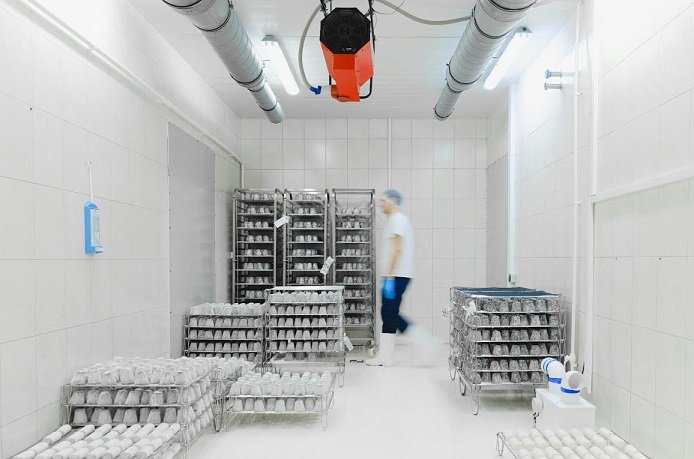
Many cold storage facilities rely on a limited number of sensors placed in convenient locations. While this satisfies basic monitoring requirements, it does not reflect what actually happens inside a working freezer. Temperature variation across aisles, corners, and stacked pallets is common, especially in older units or high-density layouts.
Warm pockets often appear near doors or loading zones. Cold spots form where airflow is restricted. These inconsistencies rarely show up in summary reports, yet they matter during inspections and product quality reviews.
Re-mapping should occur whenever storage density changes, racking is adjusted, or new equipment is added. Wireless data loggers have made this easier, but the real issue is frequency. One-time mapping is no longer enough.
Poor Airflow Between Stored Goods
Airflow is a quiet compliance issue. It does not trigger alarms immediately, but its impact builds over time. Overstocked pallets, uneven spacing, and blocked air channels force refrigeration systems to work harder while delivering less consistent results.
During audits, airflow problems often surface indirectly. Temperature recovery takes too long after door openings. Ice build-up appears in unexpected areas. Energy consumption trends upward without a clear explanation.
Simple layout corrections often make a measurable difference. Some operations use spacing aids such as Freezer Spacers to maintain predictable gaps between stored units, helping air circulate evenly without redesigning the entire storage system. These adjustments are increasingly reviewed during compliance checks focused on temperature stability and energy performance.
For food-related operations, the UK Food Standards Agency outlines clear expectations around temperature control and consistency across storage environments.
Documentation That Stops at the Numbers
Temperature data alone no longer tells a complete compliance story. Many facilities can produce logs showing acceptable ranges, but struggle to explain what happened when those ranges were breached.
Inspectors now expect to see responses, not just records. When did the deviation occur? Who noticed it? What action was taken? Was the cause identified and addressed?
Strong compliance documentation connects sensor data with maintenance logs, corrective actions, and staff responses. This linkage demonstrates control, not just monitoring.
Training Gaps on the Floor
Policies often assume perfect execution. Daily operations rarely follow that script. Temporary staff, new hires, and night-shift teams may not fully understand how routine actions affect freezer stability.
Something as simple as leaving a door open for an extra minute during loading can disrupt temperatures across an entire zone. These actions rarely appear in incident reports, yet they contribute to long-term compliance erosion.
Short, repeated training sessions tied to real scenarios tend to be more effective than annual briefings. Clear signage and visible procedures also reduce reliance on memory during busy shifts.
Equipment Ageing That Goes Unnoticed
Refrigeration systems do not fail suddenly. Performance drifts. Door seals loosen. Fans lose efficiency. Sensors remain technically functional but slowly lose accuracy.
Facilities often rely on original specifications long after operating conditions have changed. This creates blind spots that only surface during inspections or product quality complaints.
Scheduled performance testing, beyond routine maintenance, is becoming a compliance expectation rather than a best practice. The WHO highlights the importance of reliability and preventive maintenance in cold environments.
Energy Use as a Compliance Signal
Energy consumption is no longer viewed purely as a cost issue. Regulators increasingly treat abnormal energy use as a signal of poor airflow, inefficient layouts, or mechanical strain.
Facilities that stabilise temperatures quickly and maintain efficient airflow often see fewer compliance issues overall. Sustainability and compliance are becoming linked through operational performance rather than reporting language.
Closing the Gaps That Matter
Cold storage compliance is shifting away from surface-level checks. Businesses that focus only on minimum requirements often miss the operational details inspectors now examine closely.
Airflow, documentation, staff behaviour, and equipment performance are interconnected. Addressing them together strengthens compliance in ways that paperwork alone cannot.
Facilities that approach compliance as a living process, not a static obligation, are better positioned to protect product integrity, reduce risk, and operate with confidence in increasingly demanding supply chains.